Mobile Device Sensors Track Fatigue During Extended Casino App Sessions
Rafael Wagner · Aug 12, 2026
Mobile Device Sensors Track Fatigue During Extended Casino App Sessions
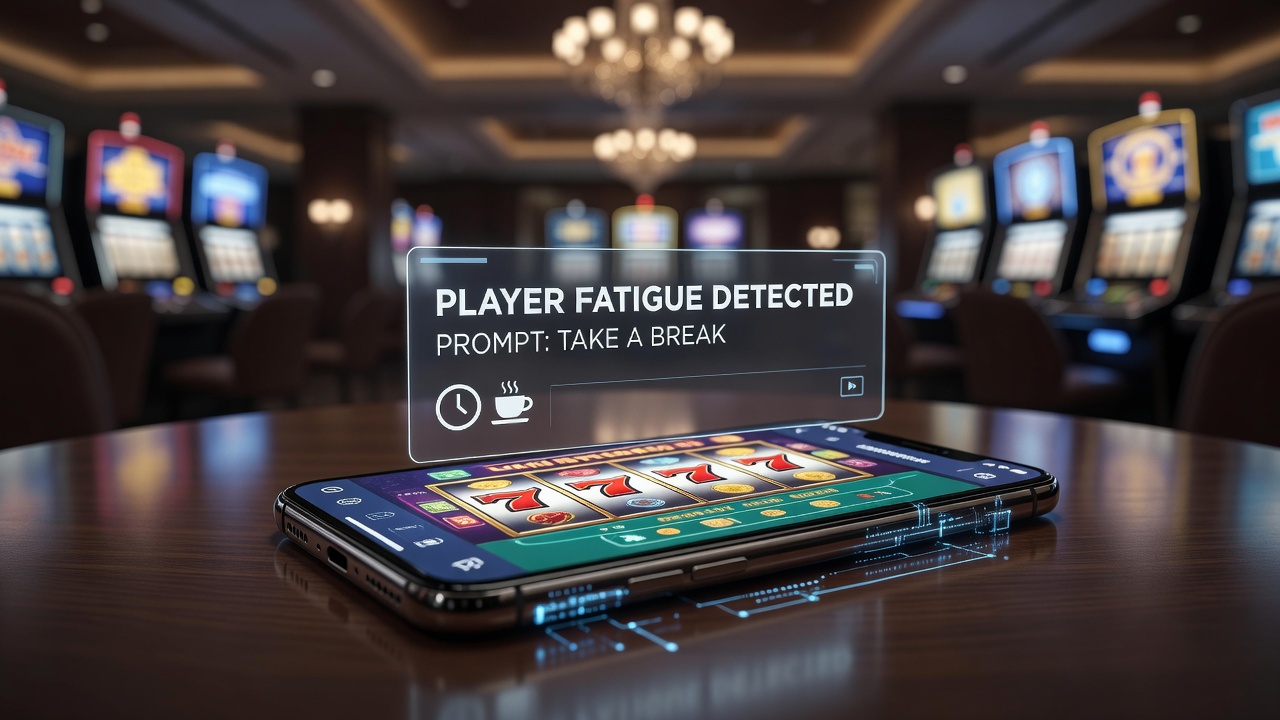
Smartphone sensors have started monitoring physical signs of fatigue in users who engage with casino applications for long stretches, and developers integrate these tools to suggest breaks when certain thresholds appear. Accelerometers, gyroscopes, heart rate monitors, and front-facing cameras collect data on movement patterns, grip stability, blink rates, and pulse variability, while machine learning models process the streams in real time to flag declining alertness. Research from academic institutions shows that prolonged screen time correlates with measurable drops in reaction speed and decision accuracy, and casino app platforms now apply similar detection methods to prompt users toward pauses.
Sensor Capabilities in Modern Smartphones
Current flagship devices include multiple data streams that support fatigue analysis, and app developers combine accelerometer readings with gyroscope inputs to detect subtle tremors or posture shifts that often accompany tiredness. Heart rate sensors on compatible models provide pulse data that algorithms compare against baseline profiles, while camera-based eye tracking measures blink frequency and pupil dilation changes without storing identifiable images. Studies conducted at universities in North America and Europe demonstrate that these combined signals can identify fatigue onset with accuracy rates above 80 percent in controlled tests, and several casino platforms have licensed similar technology for session management features.
Integration Patterns in Casino Applications
Casino apps activate background sensor monitoring once a user starts a session, and the system builds a short calibration profile during the first few minutes of play. When metrics indicate reduced responsiveness, the interface displays a neutral message suggesting a break, and some implementations temporarily dim non-essential graphics or pause autoplay functions until the user confirms continued participation. Data from industry reports indicate that such prompts appear after 45 to 90 minutes in many cases, although timing varies by individual baseline and game type. As of August 2026, multiple operators have rolled out these features across both iOS and Android builds, and testing shows users who receive prompts often return after short intervals rather than ending sessions abruptly.
Technical Implementation Details
Developers process sensor data locally on the device to limit latency and reduce data transmission, and edge computing chips handle the initial classification before any aggregated statistics move to secure servers. Machine learning models trained on anonymized datasets recognize patterns such as slower tap intervals, increased grip pressure variations, and erratic scrolling behavior that commonly precede fatigue. One research project at a Canadian institution linked these indicators to performance declines in decision-based games, and several app providers have adapted the same methodology for real-time alerts. Privacy protocols require explicit user consent before continuous monitoring begins, and collected information remains encrypted both in transit and at rest.
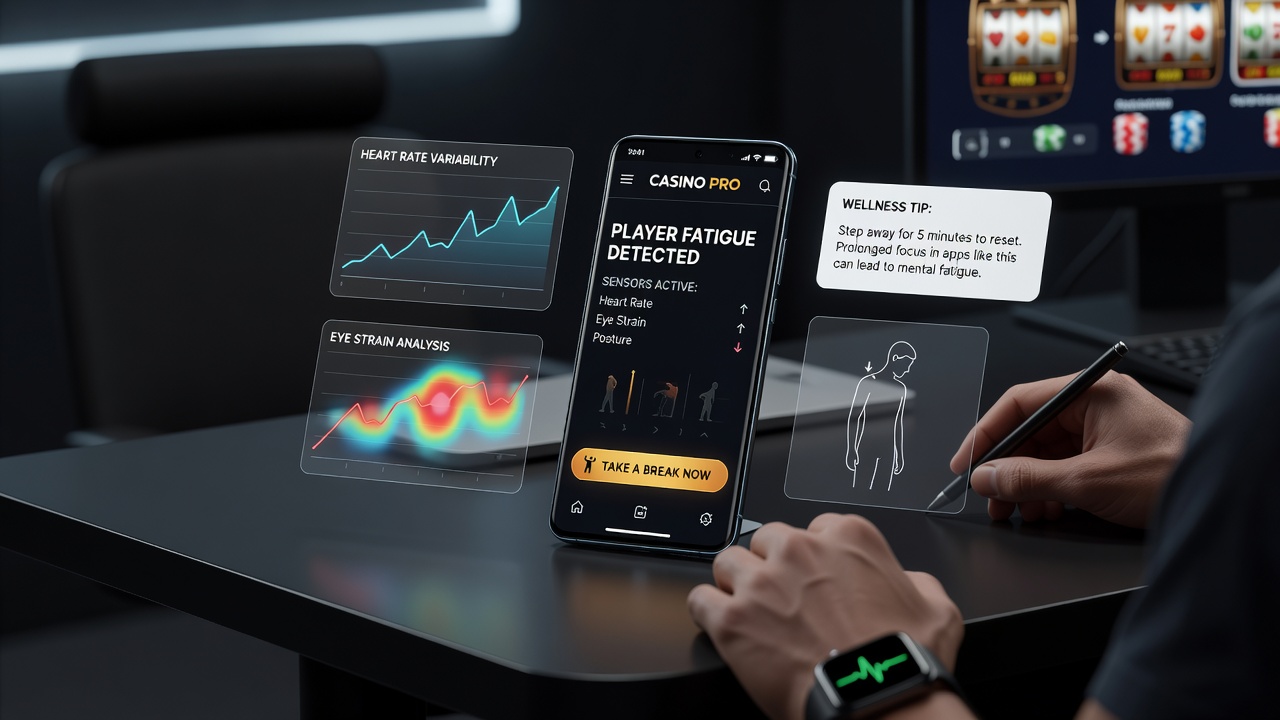
Additional layers include optional integration with wearable devices that supply more precise heart rate variability and skin conductance readings, and these connections allow finer granularity when users opt in. Testing across different hardware models confirms that detection reliability stays consistent when users grant the necessary permissions, and fallback modes rely solely on built-in smartphone components if external devices are unavailable.
Regulatory and Industry Context
Gaming laboratories and independent testing agencies have begun evaluating fatigue detection systems as part of broader responsible gaming toolkits, and reports from organizations such as the Gaming Laboratories International outline certification criteria for accuracy and user transparency. In regions outside the United Kingdom, agencies including those in Australia and parts of the European Union have reviewed similar features during licensing processes, and documentation shows emphasis on clear disclosure rather than mandatory activation. Industry associations note that voluntary adoption of sensor-based prompts aligns with existing harm minimization frameworks without introducing new compliance burdens.
Observed Outcomes and Data Trends
Platform analytics reveal that sessions interrupted by fatigue prompts tend to resume after intervals of five to fifteen minutes, and aggregate data indicate a measurable reduction in continuous play exceeding two hours among users who keep alerts enabled. A study published through the National Institutes of Health examined comparable monitoring techniques in other screen-based activities and found parallel improvements in user self-regulation when gentle interruptions occurred. Casino operators report that these tools complement existing session timers and reality checks, and early deployment figures from 2026 show higher engagement with break suggestions compared to text-only reminders alone.
Future Developments in Detection Accuracy
Engineers continue refining models by incorporating additional signals such as ambient light changes and device temperature fluctuations that correlate with user comfort levels over time. Partnerships between sensor manufacturers and software providers aim to standardize APIs for fatigue detection, which would allow smaller developers to implement the features without building custom algorithms. Observers note that cross-platform consistency improves when operating system vendors expose more granular permission controls, and upcoming hardware releases scheduled for late 2026 include enhanced biometric arrays that could further increase detection precision.
Conclusion
Sensor-driven fatigue detection represents a technical evolution in how casino applications manage extended use, and the combination of existing smartphone hardware with targeted algorithms provides a practical method for identifying when breaks may be appropriate. Continued refinement of these systems depends on ongoing research from academic and industry sources, and current implementations already demonstrate measurable effects on session patterns across multiple markets.